

(c) Neal Haddaway / www.nealhaddaway.com 2025
CATALYSE activities on migrant agricultural workers and healthcare demand
One activity within CATALYSE aims to explore how climate change affects healthcare demand among socially marginalised groups facing barriers to health service access and utilisation, focusing on migrant agricultural workers.
To do so, fieldwork is being conducted in three countries (Italy, Spain, and Austria) to better understand migrant agricultural workers’ heat exposure, heat-related risk perception, and how health services can be tailored to meet the needs of this population. Currently, we have conducted over 400 questionnaires and 22 interviews between the three country sites, with additional fieldwork planned for the spring and summer of 2025. We have also conducted focus groups with healthcare workers in 2 primary care centers in the region to better understand their perceptions on the healthcare demand and needs of migrant agricultural workers in the region, specifically relating to heat-related illnesses.
The results from the study will feed into frameworks, evidence, guidelines, and trainings aimed to reduce vulnerability to climate change by supporting existing and promoting new climate change adaptation and mitigation programs and policies within health systems in Europe.
The agricultural sector in Spain
In Europe, between 800,000 and 1 million seasonal outdoor workers are hired each year, mainly in the agriculture sector, and there are an estimated 16.7 million migrants working in the agricultural sector globally. Spain is one of the top agricultural producers in Europe. With 23.5 million hectares dedicated to agrarian operations, almost half of Spain’s total land area, the sector accounts for 2.61% of the country’s total economy, exceeding 56 billion euros.

(c) Neal Haddaway / www.nealhaddaway.com 2025
Context in Almería
With over 33.000 hectares of greenhouses, the region of Almería in the south of Spain accounts for 70% of all produce exported from Spain, and has been deemed the “Orchard of Europe” by some, or “sea of plastic” by others, referring to the high density of plastic greenhouses that can be seen from space. Almería is also the province in Spain with the highest percentage of foreign-born population, accounting for 20.30% of the total population.

(c) Neal Haddaway / www.nealhaddaway.com 2025
With 75.000 registered workers, and tens of thousands of undocumented migrant workers, the population of agricultural workers in the region has exploded over the past decades, but there has been a lack of housing to accommodate this population boom. This has left migrants drawn to the area by the prospect of employment and possibility to achieve residency in Spain forced to live in informal settlements – working under plastic during the day, then going back to plastic homes at night.

(c) Neal Haddaway / www.nealhaddaway.com 2025
Thousands of migrants live in these informal settlements, many of them without electricity or running water. This puts them at greater risk of not only WASH-related diseases, but heat-related illnesses as well due to the extremely high temperatures they are exposed to in the workplace and in their homes, with temperatures reaching up to 40 degrees in the summer months and no place to cool down.

(c) Neal Haddaway / www.nealhaddaway.com 2025

(c) Neal Haddaway / www.nealhaddaway.com 2025
The government of Andalucia has recently released the first “Strategic Plan for the eradication of informal settlements”, which aims to address the substandard housing and social inclusion of migrants living in agricultural areas of Andalusia. Unfortunately, to date there have been several removals from these informal settlements, the latest one in February 2025 leaving around 50 people homeless, but a lack of alternative accommodation options, leaving many migrants left in limbo.

(c) Neal Haddaway / www.nealhaddaway.com 2025
This is a critical moment to ensure that the strategic plan prioritizes the health and well-being of migrants living in the region, and that the results from CATALYSE are used to contribute to evidence-based and health-centered policies.
Field visit
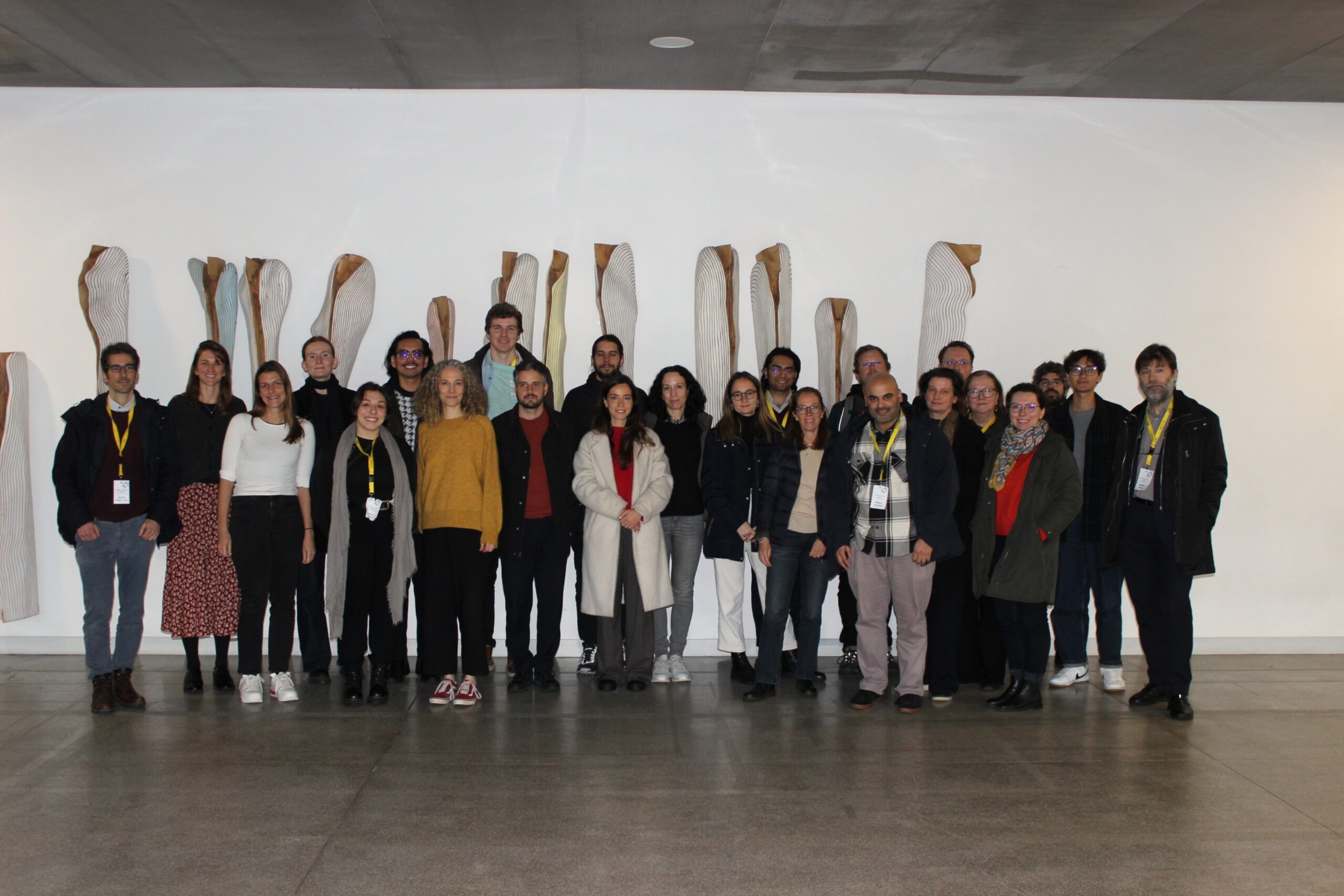
CATALYSE is developing plans to transfer the results to local actors and society in general, translating them into policy proposals, intervention recommendations and public messages. In order to lay the groundwork for these efforts, a field visit was conducted in March 2025.
We met with local stakeholders in the region, including NGOs, healthcare workers and labour union members, to understand the political context and sentiment on migrant workers and their living and working conditions, what efforts are already being carried out in the region, and how and where the results from CATALYSE can contribute.
Exposure to climate hazards like extreme temperature intersects with various other factors that confer vulnerability in this population. Protecting health requires a comprehensive approach that considers these multiple influences.The information gathered during this field visit will allow us to tailor the guidelines and training material developed through the project to the local context in Almería, with the aim of promoting societal impact and improving health outcomes by reducing vulnerability to climate hazards.

Sarah Williams | CATALYSE Project Manager
 This Project receives funding from the European Union’s Horizon Europe research and innovation programme under Grant Agreement number: