

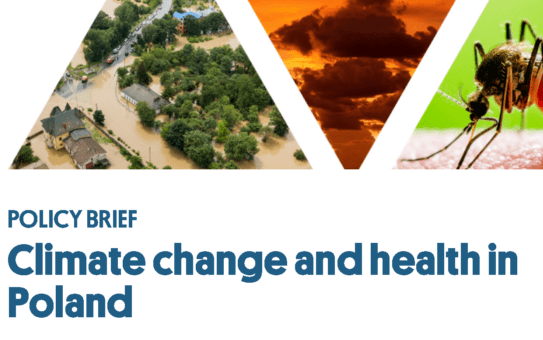
@afloimages via Canva.com
How can we close the knowledge-to-action gap to accelerate climate change action & protect public health?
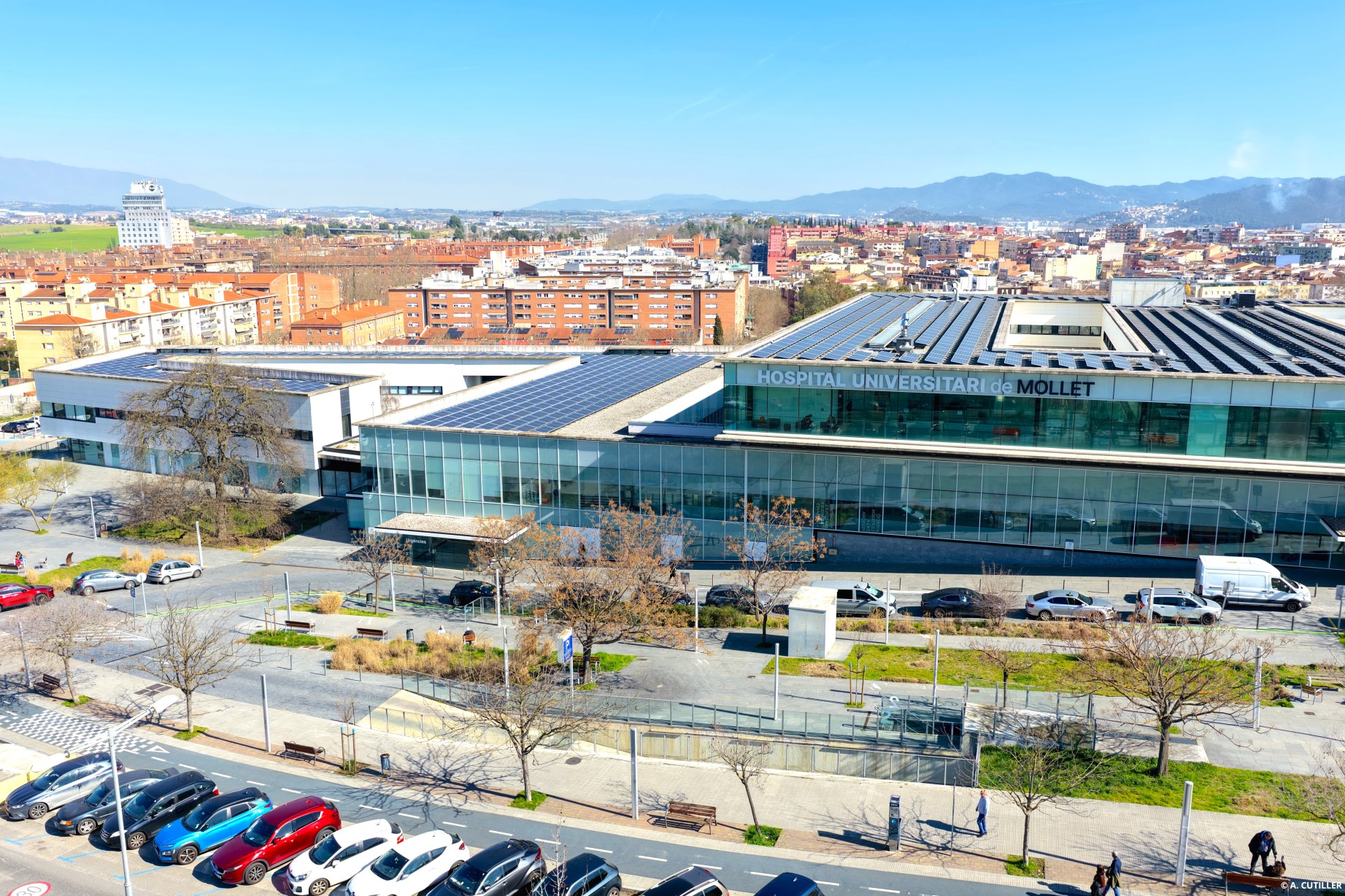
This is one of the main questions the CATALYSE project is seeking to answer. To advance this objective, the UNESCO Chair in Life Cycle and Climate Change (ESCI-UPF) and ISGLOBAL, in collaboration with health entities and diverse stakeholders, have carried out several activities related to decarbonisation of the Catalan health care system.
Healthcare systems play a vital role in protecting population health, yet they are also significant contributors to greenhouse gas (GHG) emissions, air pollution and other environmental impacts detrimental to human health. As climate change itself becomes a major health risk – through heatwaves, air pollution, emerging diseases, and extreme weather – the responsibility of the healthcare sector to reduce its own environmental footprint has become critical. The challenge is further intensified by aging populations and rising healthcare demand, which threaten to increase emissions unless decisive action is taken.
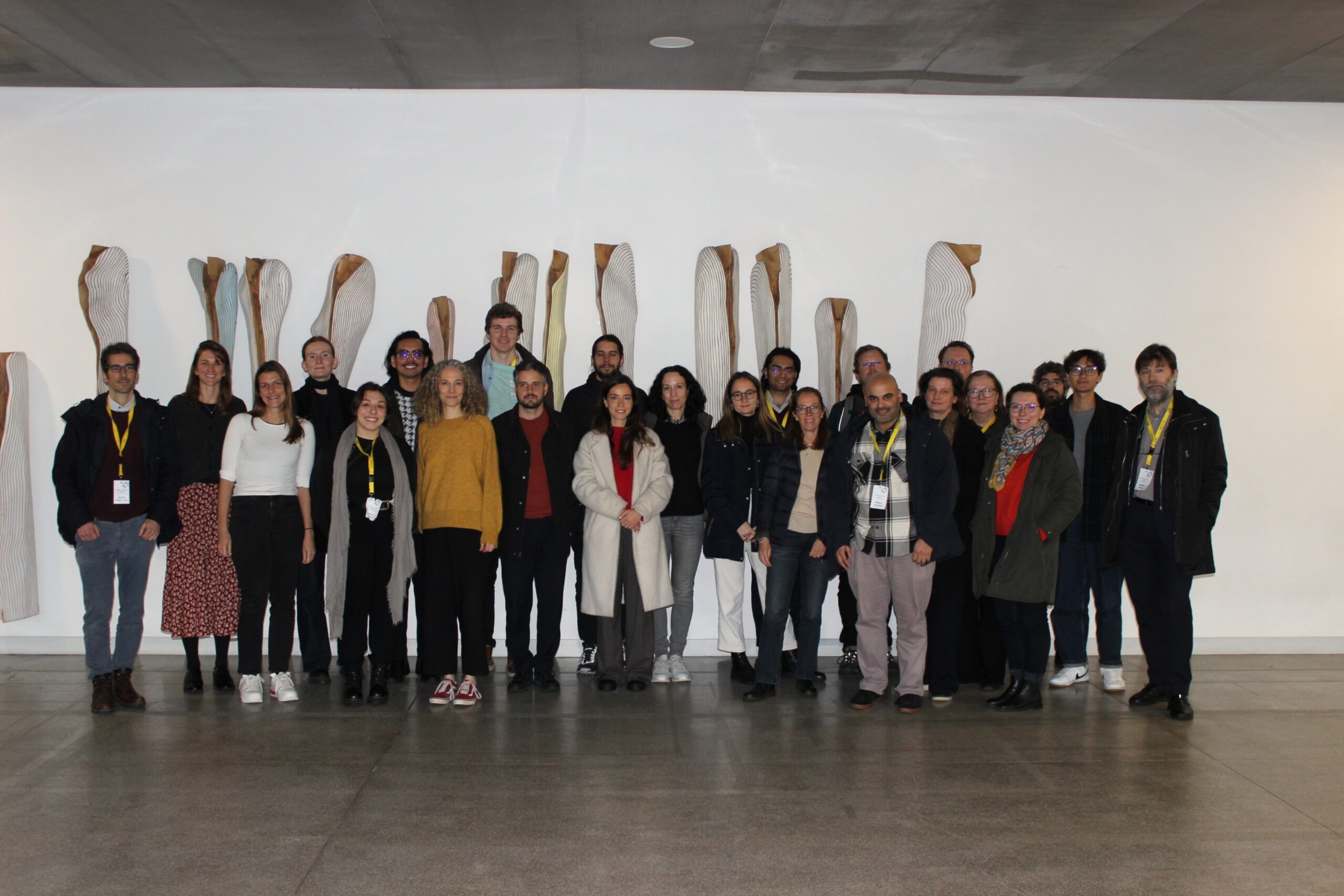
The first step was a consultation to 12 stakeholders, including researchers, government officials and healthcare professionals working in the Catalan healthcare system and/or climate action (https://doi.org/10.1093/oxfclm/kgaf018). Through the co-creation of a Theory of Change, context-specific constraints were identified, as well as opportunities for different types of stakeholders to contribute to a “net zero” healthcare system.
Second, a larger exercise conducted the first comprehensive subnational carbon footprint assessment of Catalonia’s healthcare sector and evaluated long-term mitigation scenarios up to 2050. Robust quantitative evidence and evidence-based recommendations from this work provide a strategic foundation for integrating climate action into healthcare planning and delivery.
Most national studies so far have used a top-down economic input-output approach; however, this report provides a bottom-up, system-wide, life-cycle-based accounting of healthcare emissions in Catalonia. Unlike previous studies in Spain, which have often focused on individual hospitals and excluded major Scope 3 categories, this assessment includes emissions from pharmaceuticals (~18% of total GHG), purchased goods and services such as medical consumables (~24%), equipment (~7%), food services (~7%), and transport from staff commuting (~4.6%) and patient travel (~16%). Findings indicate that these categories represent a substantial share of healthcare emissions and their omission leads to significant underestimations of the sector’s true climate impact.
Third, together with a group of stakeholders, CATALYSE partners identified a broad portfolio of mitigation strategies and assessed their feasibility. These mitigation actions were packaged into two long-term scenarios. The FRONTRUNNERS scenario reflects the diffusion of best practices from leading institutions, while the DESIRABLE scenario represents full system-wide implementation, supported by strong policy action and cross-sectoral decarbonisation. By 2050, total emission reductions range from 14% under the FRONTRUNNERS scenario to 61% under the DESIRABLE scenario, considering also the external decarbonisation of the energy and transport sectors. Findings reveal that frontrunners alone cannot deliver the necessary emission cuts (reductions alone would not even compensate for emission growth driven by population ageing), and full participation of all healthcare centres is essential.
The mitigation measures with the highest reduction potential include the electrification of transport and promotion of active mobility for staff and patients, the expansion of telemedicine, securing a 100% renewable energy supply, and the systematic integration of green public procurement to decarbonise healthcare supply chains.
Even under the most ambitious scenario, achieving absolute net-zero emissions in healthcare remains extremely challenging. Rising service demand, demographic change, and increasing climate-related health pressures continue to offset mitigation gains. For this reason, the report calls for more courageous and ambitious action, extending beyond incremental efficiency improvements toward structural transformation.
Fourth, was the development of a vision for a “smart net-zero healthcare” system for Catalonia. Achieving the vision requires a combination of bottom-up innovation from healthcare centres and top-down policy support, including strategic direction, regulatory frameworks, financing mechanisms, and innovation ecosystems. Robust and responsible decision-making requires not just considering green house gases, but considering broader environmental trade-offs – such as eutrophication, energy demand, and resource depletion – through detailed life cycle assessments. .
Fifth is the development of tailored mitigation guidelines for the Catalan healthcare system. These guidelines assign responsibilities for each mitigation action to relevant stakeholder groups and provide targeted recommendations for policymakers, healthcare managers, professionals, and patients. They are conceived as a living framework to be continuously refined through stakeholder dialogue and emerging scientific evidence.
Sixth is taking advantage of the opportunity to share lessons learned in Catalunya with other regions and countries and gain international perspectives through for example ISGlobal’s participation in The Alliance for Transformative Action on Climate and Health (ATACH).
Access the full report here: https://www.esci.upf.edu/ca/catedra-unesco-de-cicle-de-vida-i-canvi-climatic/projecte-catalyse-horizon
Authors:

Marta Santamaría | Ph.D. Student at UNESCO Chair in Life Cycle and Climate Change ESCI-UPF

Dr. Ilija Sazdovski | Researcher at UNESCO Chair in Life Cycle and Climate Change ESCI-UPF
 This Project receives funding from the European Union’s Horizon Europe research and innovation programme under Grant Agreement number: