
How can data help shape the future of cycling in our cities?
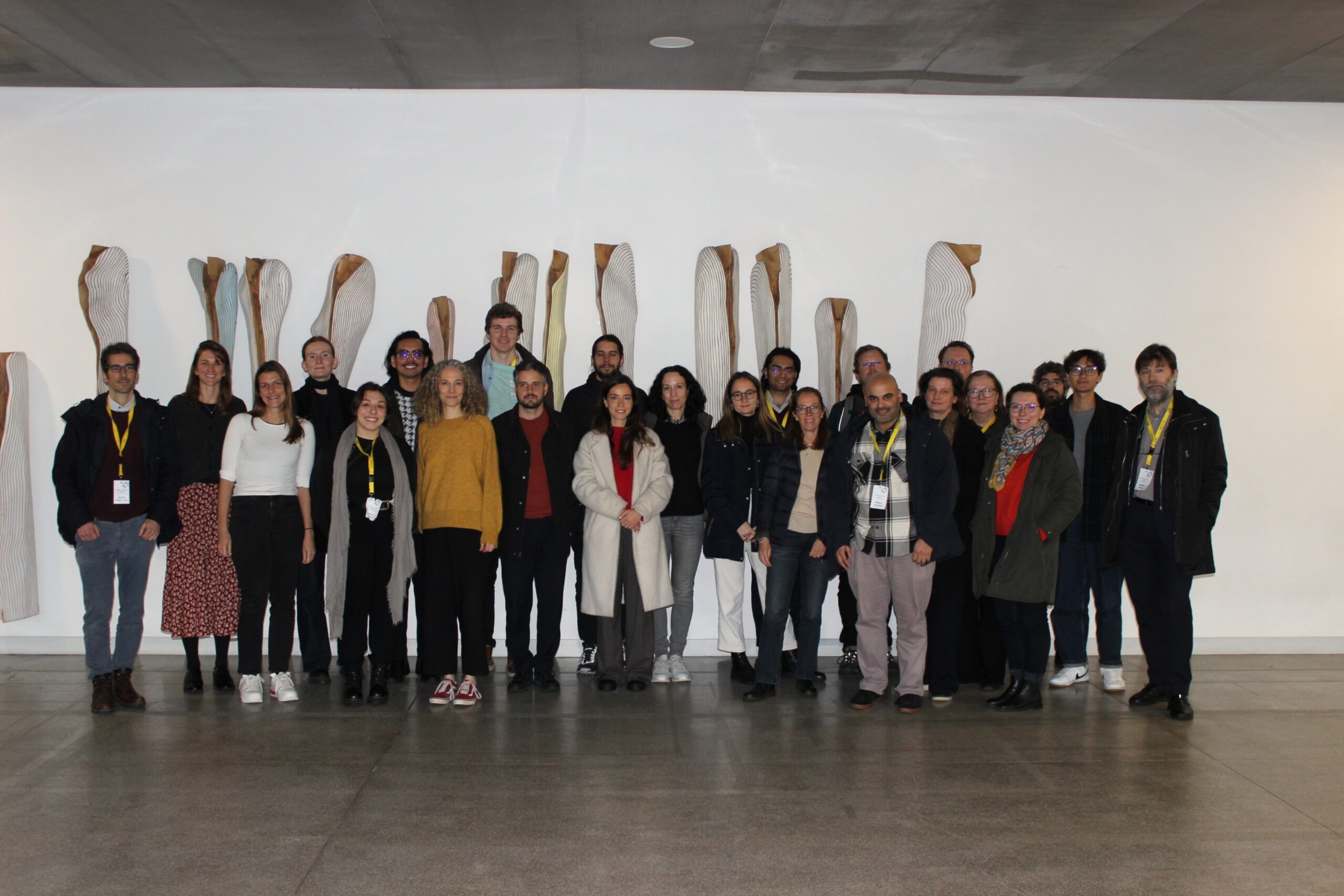
PhD students Silke Kaiser and Carol Sobral, together with Professor Lynn Kaack at the Hertie School in Berlin, brought together researchers, policymakers and advocates for a workshop as part of the CATALYSE project. The event explored how new forms of data can inform planning, improve infrastructure and turn evidence into action for safer, more sustainable urban mobility.
Silke Kaiser opened with her work on graph neural networks for predicting citywide traffic volumes. Her model, GNNUI, produces accurate predictions even with very limited traffic sensor data by accounting for urban specificities such as complex street networks. Daniel Velázquez from ISGlobal examined the health co-benefits of replacing short car trips with cycling across the EU, quantifying the emissions, health and economic impacts.

Marcelo Lampkowski from ICLEI Europe shared insights from the CDP–ICLEI Track platform, which collects annual city reports on climate, mobility and sustainability actions. Carol Sobral presented research on estimating cycling mode share in European cities. Since many cities lack reliable data, her research used machine learning and open data to estimate cycling adoption across Europe, offering cities a realistic starting point for setting targets.
Thomas Kjær Rasmussen from the Technical University of Denmark used large-scale GPS data from Copenhagen to explore how infrastructure influences route selection, showing the importance of well-connected cycling corridors. Danielle Gatland from HeiGIT demonstrated how open data can help identify missing links and network weaknesses, helping cities target improvements that make the biggest difference for riders.

Professor Ralph Buehler from Virginia Tech closed with a keynote emphasizing that safe infrastructure needs support from coordinated policies such as land-use planning, parking management and traffic calming, with inclusive planning that considers vulnerable and risk-averse groups at every stage.
Bringing these perspectives together, the workshop underscored the transformative potential of data-driven insights for urban cycling. From advanced modeling techniques to open data platforms and large-scale mobility datasets, participants highlighted how evidence can guide investments, planning, and the pursuit of more ambitious climate and mobility goals. As cities across Europe and beyond look to expand and improve cycling infrastructure, these interdisciplinary approaches offer a powerful foundation for turning research into real-world change—making cycling safer, more attractive, and more accessible for all.



 This Project receives funding from the European Union’s Horizon Europe research and innovation programme under Grant Agreement number: